
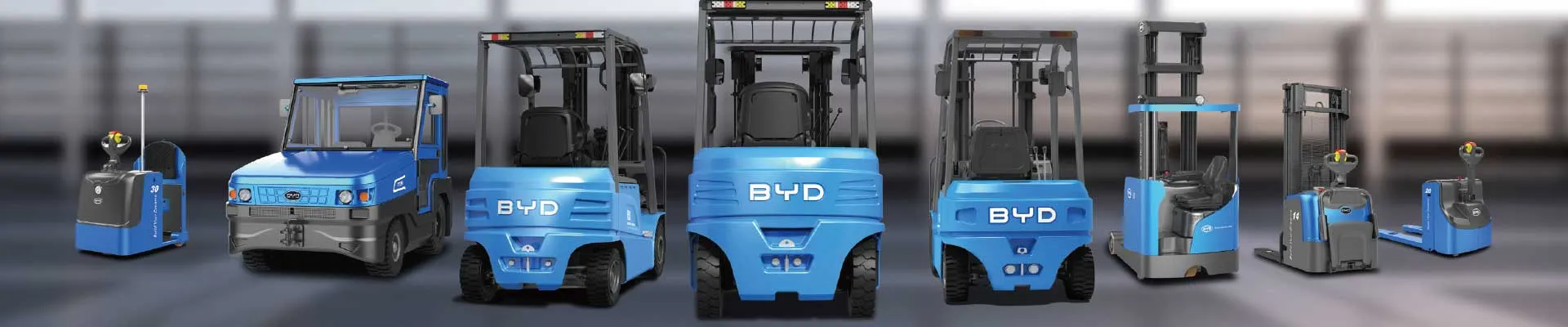
Cuida la batería de tu autoelevador eléctrico: tips rápidos

2026-09-11

La batería de litio BYD es el componente más valioso de tu autoelevador eléctrico. Un cuidado adecuado no solo prolonga su vida útil, sino que también asegura un rendimiento constante y reduce los costos de operación. Sigue estos pasos rápidos para mantenerla en óptimas condiciones.
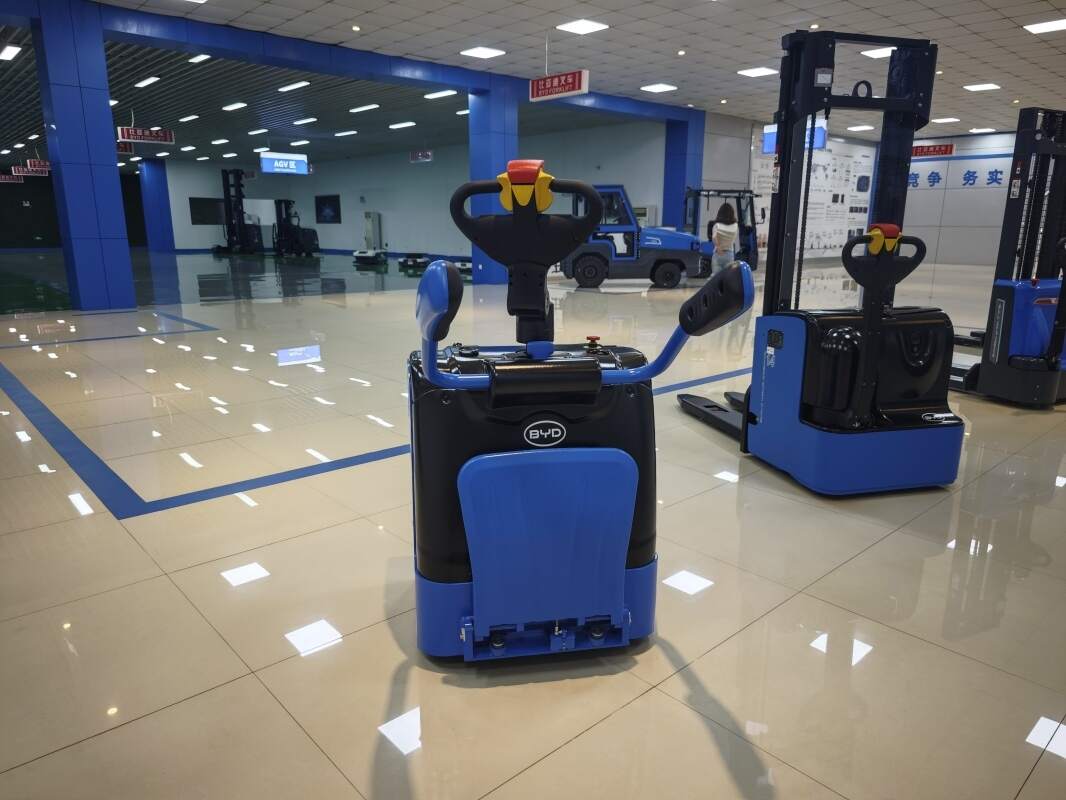
Cuida la batería de tu autoelevador eléctrico: tips rápidos(Figura1)

Paso 1: Conoce las características de tu batería BYD

Antes de manipular o cargar la batería, familiarízate con sus especificaciones: voltaje, capacidad (kWh), y las recomendaciones del fabricante. Las baterías de litio BYD, como las de la serie Iron-Phosphate, tienen un diseño robusto pero requieren ciertos cuidados específicos. Consulta el manual del usuario y verifica si tu modelo incluye un BMS (Sistema de Gestión de Batería).

  • Tip: Anota la fecha de puesta en marcha y el número de serie para futuras consultas.
  • Advertencia: No intentes abrir la batería. Está sellada y su manipulación anula la garantía.
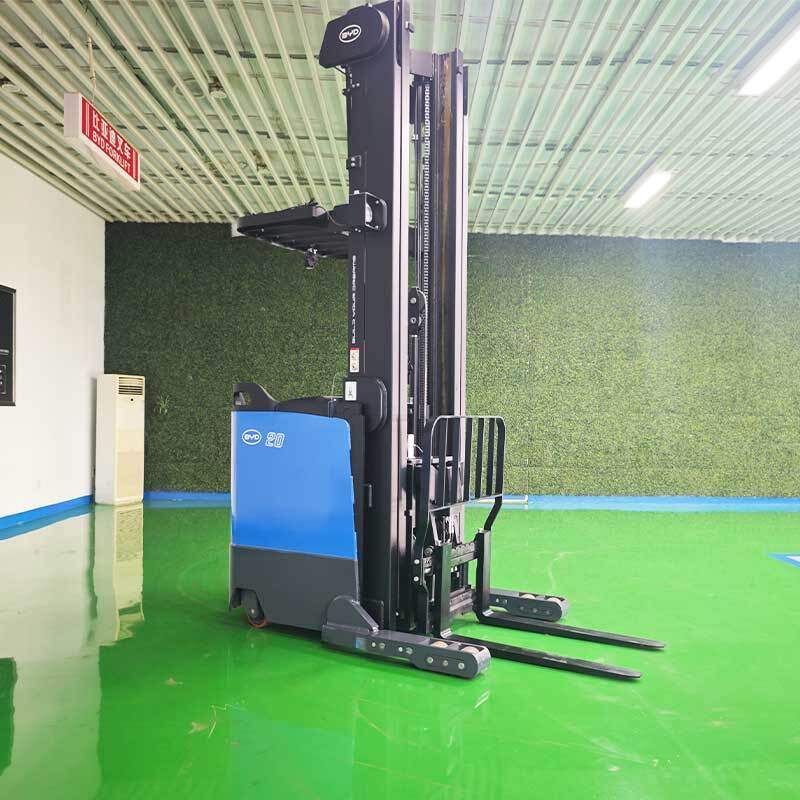
Cuida la batería de tu autoelevador eléctrico: tips rápidos(Figura2)

Paso 2: Revisa el nivel de carga antes de cada turno

Antes de comenzar la jornada, verifica el estado de carga en el indicador del autoelevador o en el panel del BMS. Las baterías de litio no sufren el efecto memoria, pero es recomendable mantener un nivel entre el 20% y el 80% para maximizar su vida útil. Si el nivel es inferior al 20%, carga la batería antes de usarla.

  • Tip: Programa una revisión rápida al inicio del turno como parte del checklist del operador.
  • Advertencia: Evita trabajar con niveles muy bajos; podrías dañar las celdas y reducir la autonomía.
Cuida la batería de tu autoelevador eléctrico: tips rápidos(Figura3)

Paso 3: Realiza cargas oportunas y evita descargas profundas

Las baterías de litio BYD se benefician de cargas parciales frecuentes en lugar de descargas completas. No esperes a que la batería se agote por completo. Idealmente, conecta el cargador cuando el nivel esté entre el 30% y el 50%. Esto reduce el estrés en las celdas y prolonga su vida.

  • Tip: Si trabajas en turnos largos, aprovecha las pausas para realizar una carga de oportunidad.
  • Advertencia: Las descargas profundas (por debajo del 10%) pueden causar daños permanentes en la batería.

Paso 4: Controla la temperatura de operación y carga

La temperatura ideal para cargar y operar una batería de litio BYD está entre 15°C y 30°C. Evita exponer el autoelevador a temperaturas extremas. Si la batería está caliente después de un turno intenso, déjala enfriar antes de cargarla. Del mismo modo, si está muy fría, permite que alcance la temperatura ambiente antes de la carga.

  • Tip: En climas fríos, considera calentar la batería en un área temperada antes de cargarla.
  • Advertencia: Cargar una batería a temperaturas bajo cero o superior a 45°C puede reducir su capacidad permanentemente.

Paso 5: Inspecciona visualmente y limpia los terminales

Realiza inspecciones visuales periódicas para detectar signos de corrosión, polvo o daños en la carcasa. Limpia los terminales con un paño seco y suave. No uses líquidos inflamables ni herramientas metálicas que puedan causar cortocircuitos.

  • Tip: Usa una brocha de cerdas suaves para eliminar el polvo de la superficie de la batería.
  • Advertencia: Nunca viertas agua directamente sobre la batería. La humedad puede dañar los componentes electrónicos.

Paso 6: Utiliza el cargador original y adecuado

El cargador debe ser el original de BYD o uno compatible con las especificaciones de la batería. Los cargadores genéricos pueden generar voltajes incorrectos y dañar las celdas. Asegúrate de que el cargador esté en buen estado y que los cables no presenten desgaste.

  • Tip: Etiqueta el cargador con el número de serie de la batería para evitar confusiones.
  • Advertencia: Usar un cargador inadecuado anula la garantía y puede provocar incendios.

Paso 7: Evita sobrecargas y cargas parciales innecesarias

Aunque las baterías de litio no tienen efecto memoria, no es bueno mantenerlas conectadas al cargador por tiempo prolongado después de que alcanzan el 100%. El BMS de BYD generalmente corta la carga al llegar al máximo, pero es mejor desconectar el cargador una vez completada la carga.

  • Tip: Si la batería va a estar inactiva, desconecta el cargador y almacénala con un 50% de carga.
  • Advertencia: Dejar la batería conectada por días puede degradar su rendimiento.

Paso 8: Almacena la batería correctamente si no la usas

Si el autoelevador no se utilizará por un período prolongado, guarda la batería en un lugar fresco y seco, con una carga aproximada del 50%. Revisa el nivel de carga cada 2 o 3 meses y recarga si es necesario. No la almacenes descargada ni completamente cargada por mucho tiempo.

  • Tip: Cubre la batería con una lona transpirable para protegerla del polvo.
  • Advertencia: No la almacenes cerca de fuentes de calor o materiales inflamables.

Paso 9: Monitorea el sistema de gestión de batería (BMS)

El BMS es el cerebro de la batería. Supervisa el voltaje, la temperatura, la corriente y el estado de carga. Presta atención a las alertas o códigos de error que puedan aparecer en el panel. Si el BMS reporta una falla, contacta al servicio técnico especializado.

  • Tip: Familiarízate con los códigos de error más comunes en el manual del usuario.
  • Advertencia: Ignorar las alertas del BMS puede provocar daños mayores y costosas reparaciones.

Paso 10: Capacita a los operadores y programa mantenimientos

La mejor manera de cuidar la batería es a través de operadores capacitados. Asegúrate de que todo el personal conozca los procedimientos de carga, las advertencias y las buenas prácticas. Además, programa mantenimientos preventivos con técnicos certificados al menos una vez al año.

  • Tip: Coloca un cartel con las instrucciones básicas de carga en el área de estacionamiento.
  • Advertencia: No permitas que operadores sin capacitación manipulen la batería o el cargador.

Resumen: Hacer y Evitar con la batería de tu autoelevador

HacerEvitar
Cargar en intervalos recomendadosDescargar por completo
Mantener temperatura entre 15°C y 30°CExponer a temperaturas extremas
Usar cargador original BYDUsar cargadores genéricos
Limpiar terminales periódicamenteDejar acumular polvo o humedad
Revisar el BMSIgnorar alertas del sistema
Almacenar con 50% de cargaGuardar descargada por mucho tiempo

Siguiendo estos pasos rápidos, prolongarás la vida útil de la batería de litio BYD de tu autoelevador eléctrico, mejorarás la eficiencia operativa y reducirás costos a largo plazo. Recuerda que la prevención es la clave. Si tienes dudas, consulta siempre con un especialista certificado.

We use cookie to improve your online experience. By continuing to browse this website, you agree to our use of cookie.

Cookies

Please read our Terms and Conditions and this Policy before accessing or using our Services. If you cannot agree with this Policy or the Terms and Conditions, please do not access or use our Services. If you are located in a jurisdiction outside the European Economic Area, by using our Services, you accept the Terms and Conditions and accept our privacy practices described in this Policy.
We may modify this Policy at any time, without prior notice, and changes may apply to any Personal Information we already hold about you, as well as any new Personal Information collected after the Policy is modified. If we make changes, we will notify you by revising the date at the top of this Policy. We will provide you with advanced notice if we make any material changes to how we collect, use or disclose your Personal Information that impact your rights under this Policy. If you are located in a jurisdiction other than the European Economic Area, the United Kingdom or Switzerland (collectively “European Countries”), your continued access or use of our Services after receiving the notice of changes, constitutes your acknowledgement that you accept the updated Policy. In addition, we may provide you with real time disclosures or additional information about the Personal Information handling practices of specific parts of our Services. Such notices may supplement this Policy or provide you with additional choices about how we process your Personal Information.


Cookies

Cookies are small text files stored on your device when you access most Websites on the internet or open certain emails. Among other things, Cookies allow a Website to recognize your device and remember if you've been to the Website before. Examples of information collected by Cookies include your browser type and the address of the Website from which you arrived at our Website as well as IP address and clickstream behavior (that is the pages you view and the links you click).We use the term cookie to refer to Cookies and technologies that perform a similar function to Cookies (e.g., tags, pixels, web beacons, etc.). Cookies can be read by the originating Website on each subsequent visit and by any other Website that recognizes the cookie. The Website uses Cookies in order to make the Website easier to use, to support a better user experience, including the provision of information and functionality to you, as well as to provide us with information about how the Website is used so that we can make sure it is as up to date, relevant, and error free as we can. Cookies on the Website We use Cookies to personalize your experience when you visit the Site, uniquely identify your computer for security purposes, and enable us and our third-party service providers to serve ads on our behalf across the internet.

We classify Cookies in the following categories:
 ●  Strictly Necessary Cookies
 ●  Performance Cookies
 ●  Functional Cookies
 ●  Targeting Cookies


Cookie List
A cookie is a small piece of data (text file) that a website – when visited by a user – asks your browser to store on your device in order to remember information about you, such as your language preference or login information. Those cookies are set by us and called first-party cookies. We also use third-party cookies – which are cookies from a domain different than the domain of the website you are visiting – for our advertising and marketing efforts. More specifically, we use cookies and other tracking technologies for the following purposes:

Strictly Necessary Cookies
These cookies are necessary for the website to function and cannot be switched off in our systems. They are usually only set in response to actions made by you which amount to a request for services, such as setting your privacy preferences, logging in or filling in forms. You can set your browser to block or alert you about these cookies, but some parts of the site will not then work. These cookies do not store any personally identifiable information.

Functional Cookies
These cookies enable the website to provide enhanced functionality and personalisation. They may be set by us or by third party providers whose services we have added to our pages. If you do not allow these cookies then some or all of these services may not function properly.

Performance Cookies
These cookies allow us to count visits and traffic sources so we can measure and improve the performance of our site. They help us to know which pages are the most and least popular and see how visitors move around the site. All information these cookies collect is aggregated and therefore anonymous. If you do not allow these cookies we will not know when you have visited our site, and will not be able to monitor its performance.

Targeting Cookies
These cookies may be set through our site by our advertising partners. They may be used by those companies to build a profile of your interests and show you relevant adverts on other sites. They do not store directly personal information, but are based on uniquely identifying your browser and internet device. If you do not allow these cookies, you will experience less targeted advertising.

How To Turn Off Cookies
You can choose to restrict or block Cookies through your browser settings at any time. Please note that certain Cookies may be set as soon as you visit the Website, but you can remove them using your browser settings. However, please be aware that restricting or blocking Cookies set on the Website may impact the functionality or performance of the Website or prevent you from using certain services provided through the Website. It will also affect our ability to update the Website to cater for user preferences and improve performance. Cookies within Mobile Applications

We only use Strictly Necessary Cookies on our mobile applications. These Cookies are critical to the functionality of our applications, so if you block or delete these Cookies you may not be able to use the application. These Cookies are not shared with any other application on your mobile device. We never use the Cookies from the mobile application to store personal information about you.

If you have questions or concerns regarding any information in this Privacy Policy, please contact us by email at . You can also contact us via our customer service at our Site.