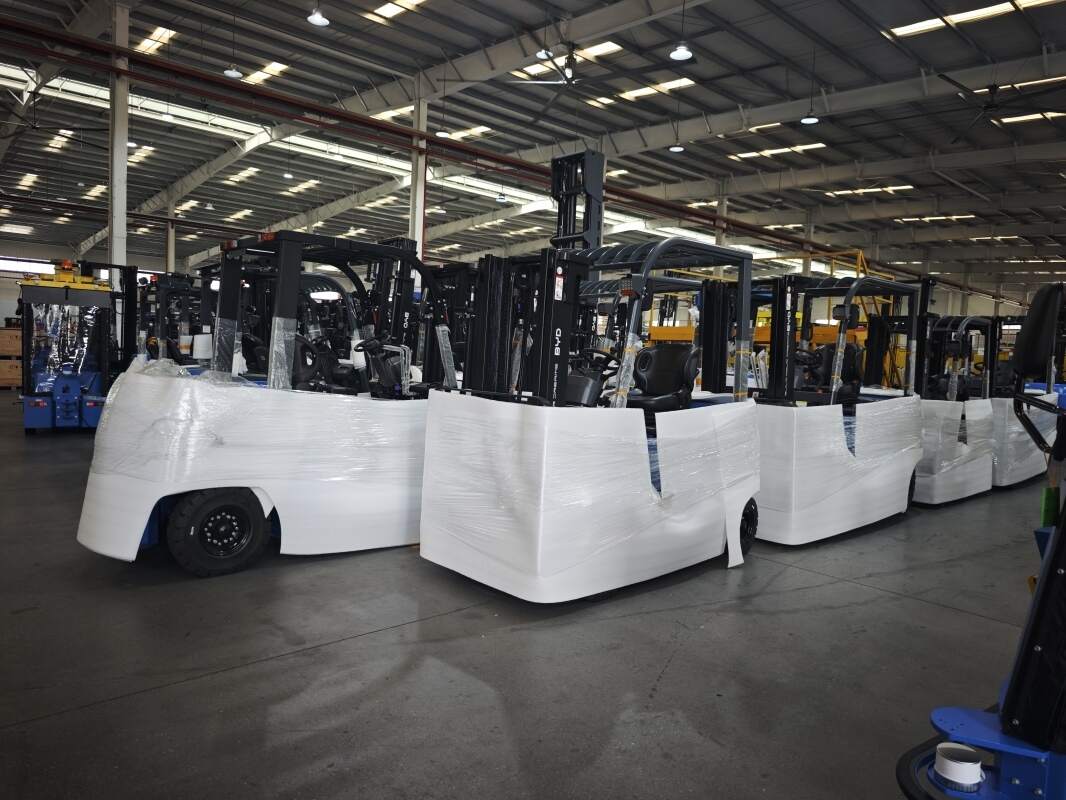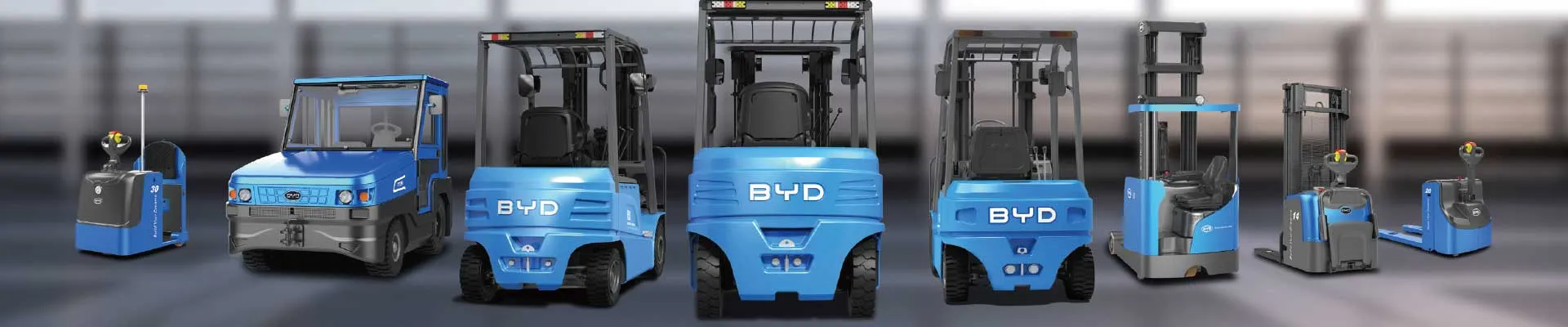
Tiempos de carga de montacargas eléctricos: guía completa en Colombia

2026-09-15

En Colombia, la adopción de montacargas eléctricos con baterías de litio está en crecimiento, especialmente en industrias como alimentos, bebidas, logística y manufactura. A diferencia de las baterías de plomo-ácido, las baterías de litio de los montacargas BYD ofrecen ventajas significativas en tiempos de carga, eficiencia y mantenimiento. Esta guía completa le mostrará paso a paso cómo gestionar y optimizar los tiempos de carga de montacargas eléctricos en el contexto colombiano, con consejos prácticos y advertencias para evitar errores costosos.
Tiempos de carga de montacargas eléctricos: guía completa en Colombia(Figura1)

Paso 1: Conozca la tecnología de baterías de litio en montacargas BYD

Los montacargas eléctricos BYD utilizan baterías de litio hierro fosfato (LiFePO4), que son conocidas por su alta seguridad, larga vida útil y capacidad de carga rápida. A diferencia de las baterías de plomo-ácido, no requieren mantenimiento de agua ni igualación, y pueden cargarse en cualquier momento sin necesidad de descargarse por completo. Esto permite oportunidades de carga durante los descansos y cambios de turno.

Características clave:

  • Voltaje nominal: 48V, 80V, 96V, etc., según el modelo.
  • Capacidad: desde 200Ah hasta 600Ah o más.
  • Profundidad de descarga (DoD): hasta 95% sin dañar la batería.
  • Eficiencia de carga: superior al 95%.

Tiempos de carga de montacargas eléctricos: guía completa en Colombia(Figura2)

Paso 2: Calcule el tiempo de carga según la capacidad y el cargador

El tiempo de carga depende de la capacidad de la batería (en kWh) y la potencia del cargador (en kW). La fórmula básica es:

Tiempo de carga (horas) = Capacidad de la batería (kWh) / Potencia del cargador (kW)

Por ejemplo, una batería BYD de 24 kWh (48V, 500Ah) con un cargador de 6 kW tardará aproximadamente 4 horas en cargarse del 20% al 100%. Sin embargo, los cargadores de oportunidad de BYD pueden ser de mayor potencia (10 kW, 15 kW o más) para reducir el tiempo a 2-3 horas.

Capacidad batería (kWh)Potencia cargador (kW)Tiempo estimado (horas)
1644
2464
24102.4
32103.2
32152.1

Recuerde que el tiempo real puede variar según la temperatura, el estado de la batería y la eficiencia del cargador.

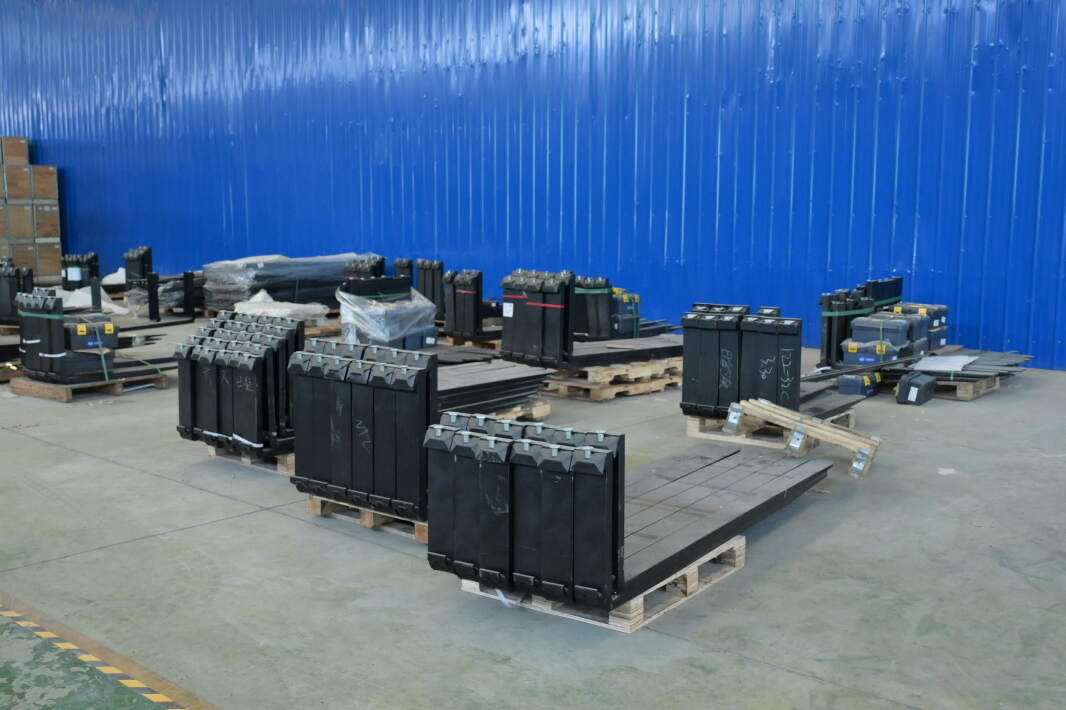
Tiempos de carga de montacargas eléctricos: guía completa en Colombia(Figura3)

Paso 3: Planifique la infraestructura de carga en Colombia

En Colombia, la red eléctrica puede tener variaciones de voltaje y cortes. Es crucial instalar cargadores que soporten fluctuaciones y contar con protecciones. Además, considere:

  • Ubicación de los puntos de carga: cerca de las zonas de trabajo para facilitar la carga de oportunidad.
  • Capacidad eléctrica: verifique que el tablero y el cableado soporten la potencia de los cargadores.
  • Ventilación: aunque las baterías de litio no emiten gases, los cargadores generan calor.
  • Normativas locales: cumpla con el RETIE (Reglamento Técnico de Instalaciones Eléctricas) y las normas de seguridad.

Paso 4: Implemente la carga de oportunidad

La carga de oportunidad consiste en cargar la batería durante pausas cortas (15-30 minutos) a lo largo del turno. Esto es posible gracias a la química de litio, que no sufre efecto memoria. Para implementarlo:

  • Identifique los momentos de inactividad del montacargas (descansos, cambio de turno, espera de carga).
  • Instale cargadores en puntos estratégicos.
  • Capacite a los operadores para conectar el montacargas siempre que esté inactivo.
  • Utilice cargadores de alta potencia para maximizar la carga en poco tiempo.

Con la carga de oportunidad, muchos montacargas BYD pueden operar 24/7 sin necesidad de cambiar baterías.

Paso 5: Monitoree y mantenga el sistema de carga

El monitoreo regular ayuda a detectar problemas y optimizar los tiempos. Use el sistema de gestión de batería (BMS) integrado en los montacargas BYD para ver el estado de carga (SoC), la salud de la batería (SoH) y la temperatura. Se recomienda:

  • Revisar los datos del BMS semanalmente.
  • Limpiar los conectores de carga y evitar humedad.
  • No exponer la batería a temperaturas extremas (por encima de 45°C o por debajo de -10°C).
  • Realizar mantenimiento preventivo anual a los cargadores.

Paso 6: Capacite a los operadores y personal de mantenimiento

La formación es clave para evitar malas prácticas que aumenten los tiempos de carga o dañen la batería. Incluya temas como:

  • Correcto conexionado y desconexión.
  • Interpretación de indicadores del BMS.
  • Procedimientos de emergencia.
  • Importancia de la carga de oportunidad.

Consejos y advertencias

  • Consejo: Utilice siempre cargadores originales BYD para garantizar la compatibilidad y seguridad.
  • Consejo: Mantenga un registro de los tiempos de carga y descarga para prever reemplazos.
  • Advertencia: No cargue baterías de litio con cargadores de plomo-ácido; puede causar daños irreversibles y riesgo de incendio.
  • Advertencia: Evite cargar la batería a temperaturas bajo cero sin un sistema de calefacción, ya que puede reducir la vida útil.
  • Advertencia: No ignore las alertas del BMS; pueden indicar fallas graves.

Conclusión

Optimizar los tiempos de carga de montacargas eléctricos en Colombia es posible siguiendo estos pasos y aprovechando la tecnología de litio de BYD. Con una planificación adecuada, carga de oportunidad y mantenimiento regular, podrá maximizar la productividad de su flota y reducir costos operativos. Si desea más información o asesoría personalizada, no dude en contactarnos.

Contacto: info@bydfork.com

We use cookie to improve your online experience. By continuing to browse this website, you agree to our use of cookie.

Cookies

Please read our Terms and Conditions and this Policy before accessing or using our Services. If you cannot agree with this Policy or the Terms and Conditions, please do not access or use our Services. If you are located in a jurisdiction outside the European Economic Area, by using our Services, you accept the Terms and Conditions and accept our privacy practices described in this Policy.
We may modify this Policy at any time, without prior notice, and changes may apply to any Personal Information we already hold about you, as well as any new Personal Information collected after the Policy is modified. If we make changes, we will notify you by revising the date at the top of this Policy. We will provide you with advanced notice if we make any material changes to how we collect, use or disclose your Personal Information that impact your rights under this Policy. If you are located in a jurisdiction other than the European Economic Area, the United Kingdom or Switzerland (collectively “European Countries”), your continued access or use of our Services after receiving the notice of changes, constitutes your acknowledgement that you accept the updated Policy. In addition, we may provide you with real time disclosures or additional information about the Personal Information handling practices of specific parts of our Services. Such notices may supplement this Policy or provide you with additional choices about how we process your Personal Information.


Cookies

Cookies are small text files stored on your device when you access most Websites on the internet or open certain emails. Among other things, Cookies allow a Website to recognize your device and remember if you've been to the Website before. Examples of information collected by Cookies include your browser type and the address of the Website from which you arrived at our Website as well as IP address and clickstream behavior (that is the pages you view and the links you click).We use the term cookie to refer to Cookies and technologies that perform a similar function to Cookies (e.g., tags, pixels, web beacons, etc.). Cookies can be read by the originating Website on each subsequent visit and by any other Website that recognizes the cookie. The Website uses Cookies in order to make the Website easier to use, to support a better user experience, including the provision of information and functionality to you, as well as to provide us with information about how the Website is used so that we can make sure it is as up to date, relevant, and error free as we can. Cookies on the Website We use Cookies to personalize your experience when you visit the Site, uniquely identify your computer for security purposes, and enable us and our third-party service providers to serve ads on our behalf across the internet.

We classify Cookies in the following categories:
 ●  Strictly Necessary Cookies
 ●  Performance Cookies
 ●  Functional Cookies
 ●  Targeting Cookies


Cookie List
A cookie is a small piece of data (text file) that a website – when visited by a user – asks your browser to store on your device in order to remember information about you, such as your language preference or login information. Those cookies are set by us and called first-party cookies. We also use third-party cookies – which are cookies from a domain different than the domain of the website you are visiting – for our advertising and marketing efforts. More specifically, we use cookies and other tracking technologies for the following purposes:

Strictly Necessary Cookies
These cookies are necessary for the website to function and cannot be switched off in our systems. They are usually only set in response to actions made by you which amount to a request for services, such as setting your privacy preferences, logging in or filling in forms. You can set your browser to block or alert you about these cookies, but some parts of the site will not then work. These cookies do not store any personally identifiable information.

Functional Cookies
These cookies enable the website to provide enhanced functionality and personalisation. They may be set by us or by third party providers whose services we have added to our pages. If you do not allow these cookies then some or all of these services may not function properly.

Performance Cookies
These cookies allow us to count visits and traffic sources so we can measure and improve the performance of our site. They help us to know which pages are the most and least popular and see how visitors move around the site. All information these cookies collect is aggregated and therefore anonymous. If you do not allow these cookies we will not know when you have visited our site, and will not be able to monitor its performance.

Targeting Cookies
These cookies may be set through our site by our advertising partners. They may be used by those companies to build a profile of your interests and show you relevant adverts on other sites. They do not store directly personal information, but are based on uniquely identifying your browser and internet device. If you do not allow these cookies, you will experience less targeted advertising.

How To Turn Off Cookies
You can choose to restrict or block Cookies through your browser settings at any time. Please note that certain Cookies may be set as soon as you visit the Website, but you can remove them using your browser settings. However, please be aware that restricting or blocking Cookies set on the Website may impact the functionality or performance of the Website or prevent you from using certain services provided through the Website. It will also affect our ability to update the Website to cater for user preferences and improve performance. Cookies within Mobile Applications

We only use Strictly Necessary Cookies on our mobile applications. These Cookies are critical to the functionality of our applications, so if you block or delete these Cookies you may not be able to use the application. These Cookies are not shared with any other application on your mobile device. We never use the Cookies from the mobile application to store personal information about you.

If you have questions or concerns regarding any information in this Privacy Policy, please contact us by email at . You can also contact us via our customer service at our Site.