
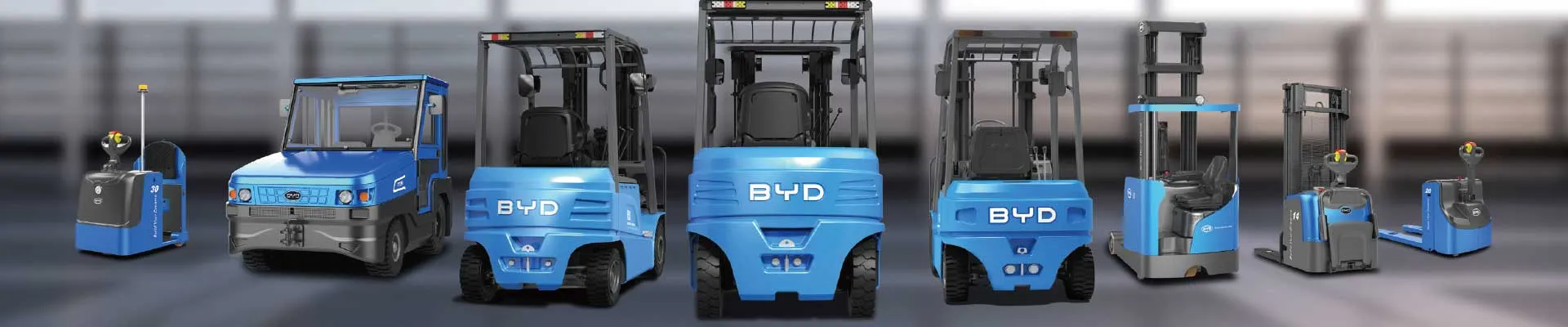
Operación en frío con montacargas eléctricos en México

2026-09-18

La operación de montacargas eléctricos en entornos fríos presenta desafíos únicos. En México, sectores como el alimentario, farmacéutico y logístico requieren equipos confiables incluso a temperaturas bajo cero. Los montacargas eléctricos BYD con batería de litio son una excelente opción por su rendimiento y durabilidad. Esta guía detalla paso a paso cómo realizar una operación en frío segura y eficiente.
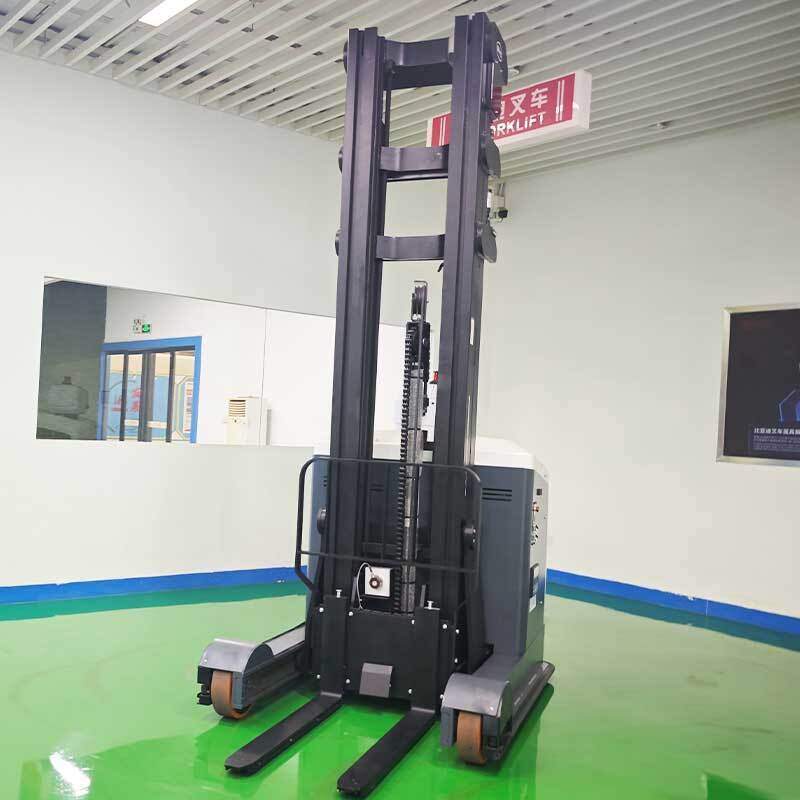
Operación en frío con montacargas eléctricos en México(Figura1)

1. Evalúe las condiciones de frío en su instalación

Antes de operar montacargas eléctricos en frío, es crucial comprender el entorno. Identifique la temperatura mínima, la humedad y si hay presencia de hielo o condensación. En México, las operaciones en frío se dan en cámaras frigoríficas, almacenes de congelados y regiones de clima frío como el norte del país. Mida la temperatura en diferentes puntos y horas del día.

Consejo: Use termómetros registradores para monitorear las fluctuaciones térmicas. Advertencia: Temperaturas por debajo de -20°C pueden afectar la capacidad de la batería de litio y la movilidad del equipo.
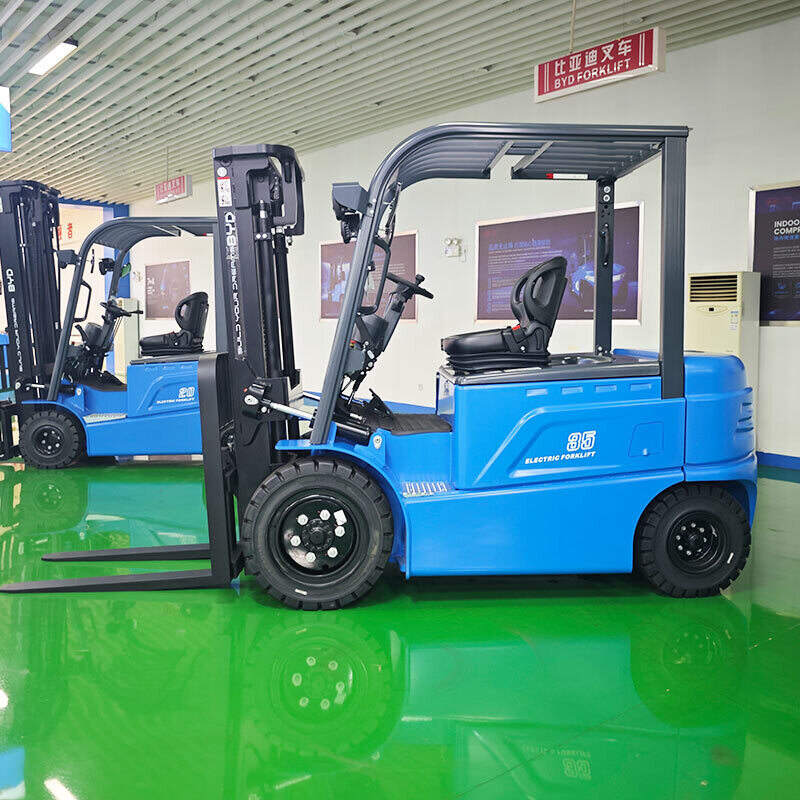
Operación en frío con montacargas eléctricos en México(Figura2)

2. Elija el montacargas eléctrico BYD adecuado para frío

No todos los montacargas eléctricos son iguales. Los montacargas BYD con batería de litio ofrecen ventajas en frío: no requieren mantenimiento de agua, tienen mayor densidad energética y mejor rendimiento a bajas temperaturas que las baterías de plomo-ácido. Considere la capacidad de carga, altura de elevación y protección contra la humedad (IP65 o superior).

CaracterísticaBYD LitioPlomo-Ácido
Rendimiento a -20°C80% capacidad50% capacidad
MantenimientoMínimoAlto
Tiempo de carga1-2 horas8 horas

Consejo: Solicite una prueba en frío con su proveedor BYD. Advertencia: No use montacargas diseñados solo para interiores en cámaras de congelación sin la protección adecuada.
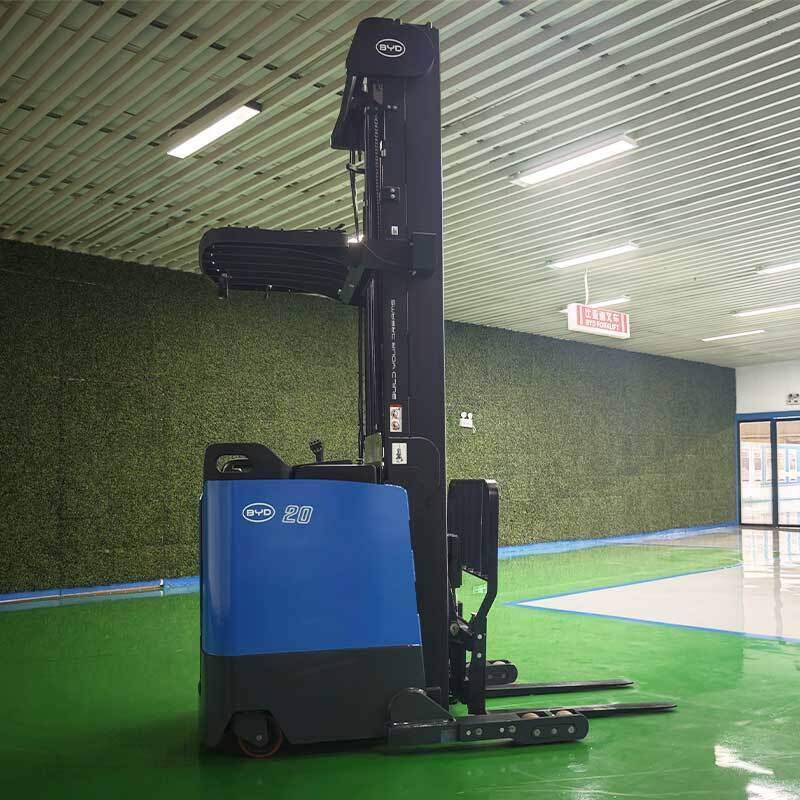
Operación en frío con montacargas eléctricos en México(Figura3)

3. Prepare la batería de litio para bajas temperaturas

Las baterías de litio BYD tienen un sistema de gestión térmica que las protege. Sin embargo, antes de operar en frío, asegúrese de que la batería esté cargada al 100% y a una temperatura superior a 0°C. Si la batería ha estado expuesta a frío extremo, déjela atemperar en un área a temperatura ambiente antes de cargarla.

Consejo: Programe la carga en un lugar temperado. Advertencia: Cargar una batería de litio a temperaturas bajo cero puede causar daños permanentes. Nunca cargue por debajo de 0°C.

4. Acondicione el área de trabajo y las rutas

El frío puede crear superficies resbaladizas por hielo o condensación. Mantenga los pisos secos y libres de obstáculos. Señalice las rutas y reduzca la velocidad en curvas y rampas. Use iluminación adecuada, ya que la visibilidad puede verse afectada por vaho o niebla.

Consejo: Instale esteras antideslizantes en zonas críticas. Advertencia: No permita que se acumule hielo en las horquillas o ruedas, ya que puede causar derrapes.

5. Realice una inspección preoperacional específica para frío

Antes de cada turno, inspeccione: niveles de carga de batería, estado de llantas (presión y grietas por frío), fugas de aceite hidráulico (el frío espesa el aceite), luces y alarmas, y funcionamiento de frenos. Use una lista de verificación.

Consejo: Documente las inspecciones. Advertencia: No opere un montacargas que presente cristales de hielo en los controles o cables.

6. Aplique técnicas de conducción segura en ambientes fríos

Conduzca a velocidades reducidas, especialmente al girar y al elevar cargas. Evite movimientos bruscos que puedan desestabilizar la carga. En pendientes, mantenga una distancia mayor. Use el freno de motor en lugar del freno de servicio para evitar derrapes.

Consejo: Use el modo de operación en frío si su montacargas BYD lo tiene. Advertencia: No intente remolcar cargas pesadas en superficies heladas.

7. Monitoree el rendimiento de la batería y del equipo

En frío, la autonomía de la batería puede reducirse. Monitoree el indicador de carga y planifique pausas para recargas parciales. Si nota disminución repentina de potencia, detenga el equipo y revise la batería.

Consejo: Lleve un registro del consumo. Advertencia: No ignore las alertas del sistema de gestión de batería (BMS).

8. Gestione la carga y el mantenimiento en frío

Cargue las baterías en un área temperada (idealmente entre 10°C y 25°C). Si no es posible, use cargadores con compensación de temperatura. Realice mantenimiento preventivo más frecuente: revise conexiones, limpie terminales y aplique lubricante dieléctrico.

Consejo: Establezca un programa de mantenimiento mensual. Advertencia: No use agua para limpiar el montacargas en ambientes fríos, ya que puede congelarse.

9. Capacite al personal en operación en frío

Los operadores deben conocer los riesgos del frío: hipotermia, fatiga, reducción de reflejos. Proporcione ropa térmica y pausas frecuentes en áreas cálidas. Capacite sobre el manejo de baterías de litio en frío.

Consejo: Realice simulacros de emergencia. Advertencia: No permita que operadores sin capacitación usen montacargas en cámaras frigoríficas.

10. Desarrolle un plan de contingencia para fallas por frío

Prevea fallas de batería, congelación de frenos o hidráulicos. Tenga un montacargas de respaldo y baterías adicionales en lugar temperado. Establezca procedimientos de emergencia y contactos de servicio.

Consejo: Mantenga una línea directa con su proveedor BYD. Advertencia: No intente reparar sistemas eléctricos o de batería sin personal certificado.

Para más información sobre montacargas eléctricos BYD y soluciones para operación en frío, contáctenos en info@bydfork.com.

We use cookie to improve your online experience. By continuing to browse this website, you agree to our use of cookie.

Cookies

Please read our Terms and Conditions and this Policy before accessing or using our Services. If you cannot agree with this Policy or the Terms and Conditions, please do not access or use our Services. If you are located in a jurisdiction outside the European Economic Area, by using our Services, you accept the Terms and Conditions and accept our privacy practices described in this Policy.
We may modify this Policy at any time, without prior notice, and changes may apply to any Personal Information we already hold about you, as well as any new Personal Information collected after the Policy is modified. If we make changes, we will notify you by revising the date at the top of this Policy. We will provide you with advanced notice if we make any material changes to how we collect, use or disclose your Personal Information that impact your rights under this Policy. If you are located in a jurisdiction other than the European Economic Area, the United Kingdom or Switzerland (collectively “European Countries”), your continued access or use of our Services after receiving the notice of changes, constitutes your acknowledgement that you accept the updated Policy. In addition, we may provide you with real time disclosures or additional information about the Personal Information handling practices of specific parts of our Services. Such notices may supplement this Policy or provide you with additional choices about how we process your Personal Information.


Cookies

Cookies are small text files stored on your device when you access most Websites on the internet or open certain emails. Among other things, Cookies allow a Website to recognize your device and remember if you've been to the Website before. Examples of information collected by Cookies include your browser type and the address of the Website from which you arrived at our Website as well as IP address and clickstream behavior (that is the pages you view and the links you click).We use the term cookie to refer to Cookies and technologies that perform a similar function to Cookies (e.g., tags, pixels, web beacons, etc.). Cookies can be read by the originating Website on each subsequent visit and by any other Website that recognizes the cookie. The Website uses Cookies in order to make the Website easier to use, to support a better user experience, including the provision of information and functionality to you, as well as to provide us with information about how the Website is used so that we can make sure it is as up to date, relevant, and error free as we can. Cookies on the Website We use Cookies to personalize your experience when you visit the Site, uniquely identify your computer for security purposes, and enable us and our third-party service providers to serve ads on our behalf across the internet.

We classify Cookies in the following categories:
 ●  Strictly Necessary Cookies
 ●  Performance Cookies
 ●  Functional Cookies
 ●  Targeting Cookies


Cookie List
A cookie is a small piece of data (text file) that a website – when visited by a user – asks your browser to store on your device in order to remember information about you, such as your language preference or login information. Those cookies are set by us and called first-party cookies. We also use third-party cookies – which are cookies from a domain different than the domain of the website you are visiting – for our advertising and marketing efforts. More specifically, we use cookies and other tracking technologies for the following purposes:

Strictly Necessary Cookies
These cookies are necessary for the website to function and cannot be switched off in our systems. They are usually only set in response to actions made by you which amount to a request for services, such as setting your privacy preferences, logging in or filling in forms. You can set your browser to block or alert you about these cookies, but some parts of the site will not then work. These cookies do not store any personally identifiable information.

Functional Cookies
These cookies enable the website to provide enhanced functionality and personalisation. They may be set by us or by third party providers whose services we have added to our pages. If you do not allow these cookies then some or all of these services may not function properly.

Performance Cookies
These cookies allow us to count visits and traffic sources so we can measure and improve the performance of our site. They help us to know which pages are the most and least popular and see how visitors move around the site. All information these cookies collect is aggregated and therefore anonymous. If you do not allow these cookies we will not know when you have visited our site, and will not be able to monitor its performance.

Targeting Cookies
These cookies may be set through our site by our advertising partners. They may be used by those companies to build a profile of your interests and show you relevant adverts on other sites. They do not store directly personal information, but are based on uniquely identifying your browser and internet device. If you do not allow these cookies, you will experience less targeted advertising.

How To Turn Off Cookies
You can choose to restrict or block Cookies through your browser settings at any time. Please note that certain Cookies may be set as soon as you visit the Website, but you can remove them using your browser settings. However, please be aware that restricting or blocking Cookies set on the Website may impact the functionality or performance of the Website or prevent you from using certain services provided through the Website. It will also affect our ability to update the Website to cater for user preferences and improve performance. Cookies within Mobile Applications

We only use Strictly Necessary Cookies on our mobile applications. These Cookies are critical to the functionality of our applications, so if you block or delete these Cookies you may not be able to use the application. These Cookies are not shared with any other application on your mobile device. We never use the Cookies from the mobile application to store personal information about you.

If you have questions or concerns regarding any information in this Privacy Policy, please contact us by email at . You can also contact us via our customer service at our Site.