
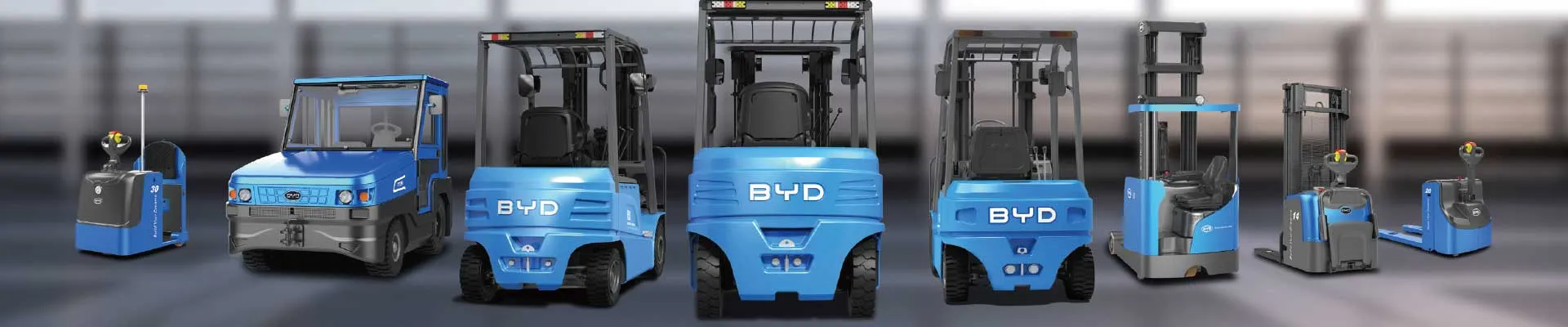
Opera tu autoelevador eléctrico con seguridad total

2026-09-15

Operar un autoelevador eléctrico, especialmente los equipos con batería de litio de BYD, ofrece grandes ventajas en eficiencia y cuidado del medio ambiente. Sin embargo, la seguridad es primordial. Esta guía paso a paso te ayudará a operar tu autoelevador eléctrico con seguridad total, cumpliendo con las normas y protegiendo a tu equipo y a ti mismo.
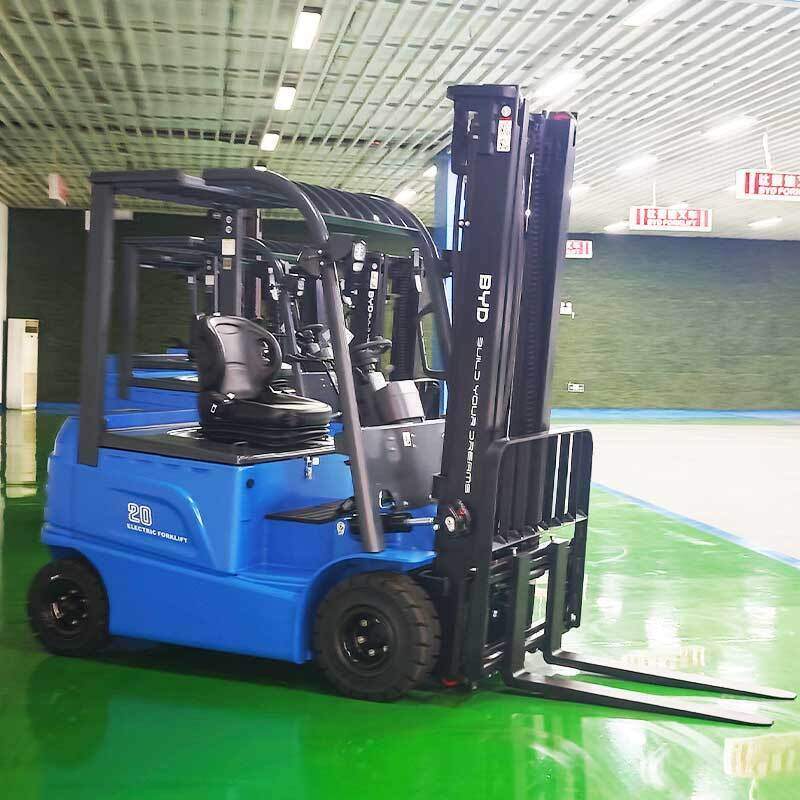
Opera tu autoelevador eléctrico con seguridad total(Figura1)

Paso 1: Conoce tu autoelevador eléctrico y su manual

Antes de encender el equipo, familiarízate con sus componentes y funciones. Los autoelevadores eléctricos BYD con batería de litio tienen características específicas.

Componentes clave

  • Panel de control e indicadores de batería.
  • Palancas de operación (elevación, inclinación, desplazamiento).
  • Sistema de frenos y dirección.
  • Conectores de carga y puerto de batería.

Lectura del manual

Lee el manual del operador y el manual de seguridad. Presta atención a las capacidades de carga, advertencias y procedimientos de emergencia.

Consejo: Realiza una formación certificada con un instructor calificado. BYD ofrece programas de capacitación.

Advertencia: Nunca operes el autoelevador si no comprendes completamente sus controles.
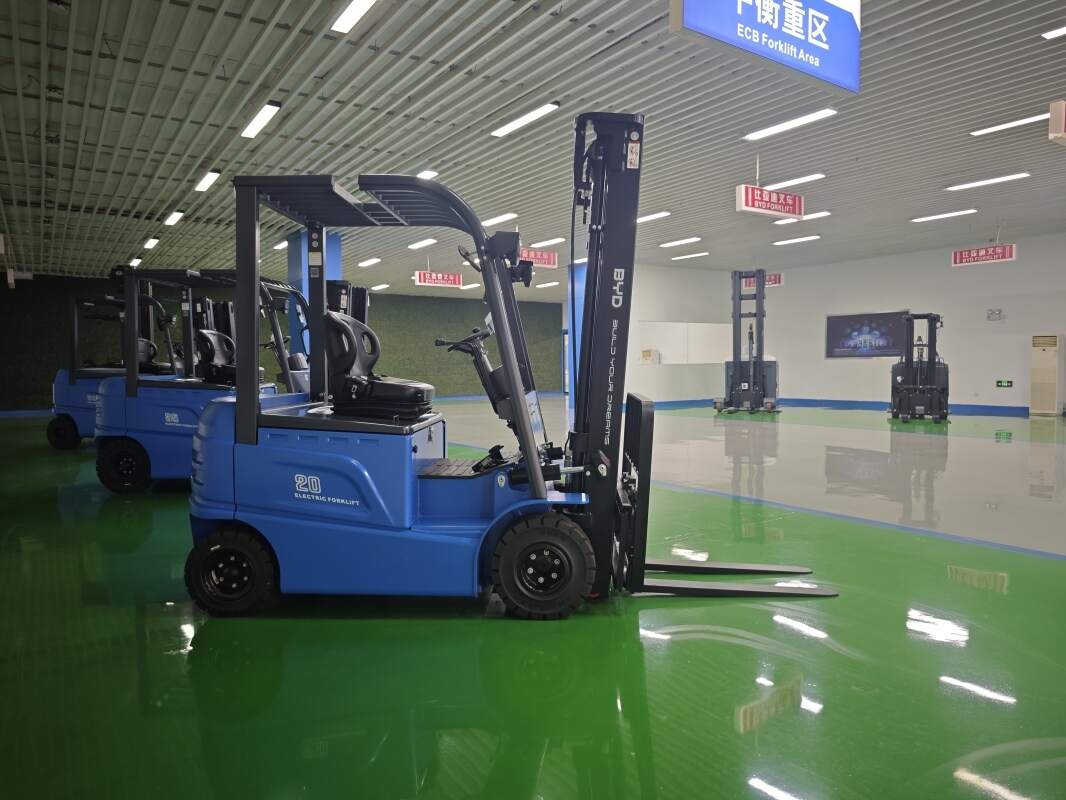
Opera tu autoelevador eléctrico con seguridad total(Figura2)

Paso 2: Realiza una inspección previa al turno

Antes de cada turno, inspecciona el autoelevador para detectar problemas.

Lista de verificación

ElementoQué revisar
BateríaNivel de carga, conexiones, fugas
NeumáticosDesgaste, presión, cortes
HorquillasGrietas, desgaste, seguro
FrenosRespuesta, fugas de líquido
Luces y alarmaFuncionamiento

Consejo: Usa una lista de verificación formal y regístrala.

Advertencia: Si encuentras daños, no operes el equipo. Repórtalo de inmediato.
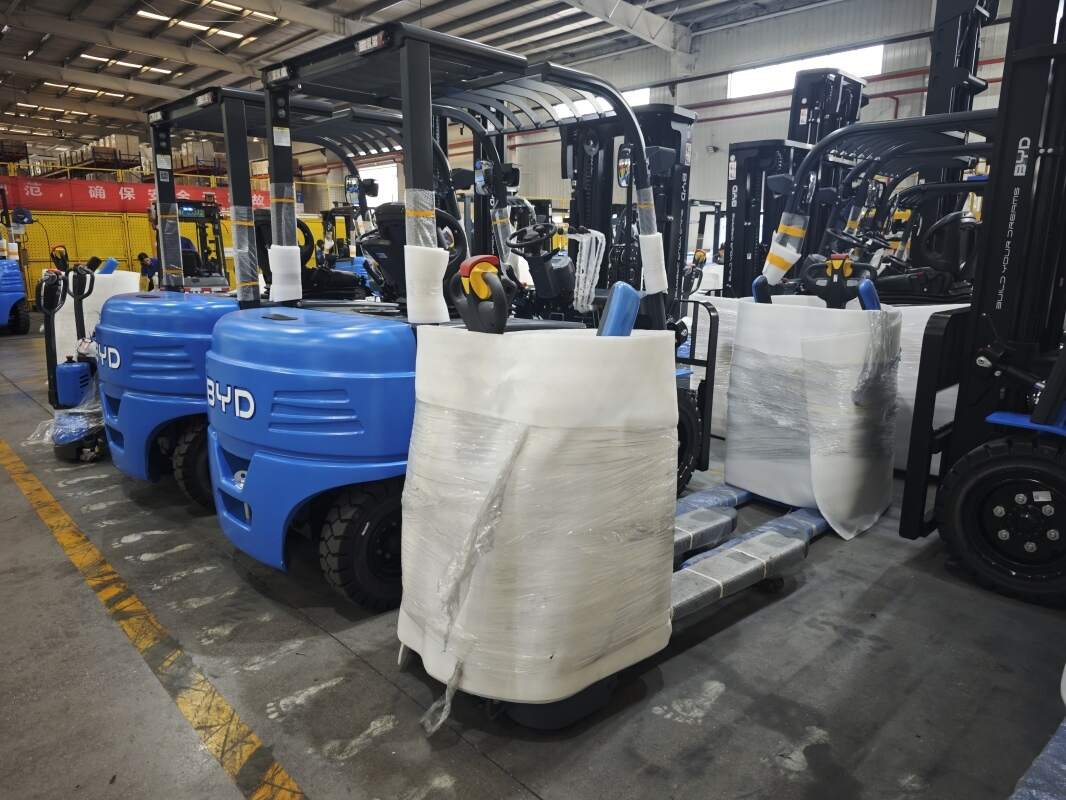
Opera tu autoelevador eléctrico con seguridad total(Figura3)

Paso 3: Prepara el área de trabajo

Un entorno despejado y señalizado reduce riesgos.

  • Delimita las zonas de tránsito y de carga.
  • Asegura una iluminación adecuada.
  • Elimina obstáculos y derrames.
  • Verifica que el suelo soporte el peso.

Consejo: Usa conos y cintas de seguridad para peatones.

Advertencia: Nunca operes en áreas con poca visibilidad o sin señalización.

Paso 4: Sube y baja del autoelevador de forma segura

La mayoría de los accidentes ocurren al subir o bajar.

  • Usa los tres puntos de contacto (dos manos y un pie, o dos pies y una mano).
  • Mantén el cuerpo dentro de la cabina.
  • No saltes nunca del vehículo.
  • Asegúrate de que el autoelevador esté detenido y con el freno de mano puesto.

Consejo: Usa calzado antideslizante y guantes.

Advertencia: No subas con las manos ocupadas.

Paso 5: Opera el autoelevador con seguridad durante la conducción

Mantén el control en todo momento.

Reglas básicas

  • Respeta los límites de velocidad (máx. 10 km/h en interiores).
  • No transportes personas.
  • Mantén la carga baja y ligeramente inclinada hacia atrás.
  • Usa la bocina en cruces y esquinas.
  • Evita giros bruscos y frenadas repentinas.

En pendientes

Sube y baja con la carga mirando cuesta arriba. No gires en rampas.

Consejo: Anticipa las maniobras y mantén distancia de seguridad.

Advertencia: Nunca excedas la capacidad de carga indicada en la placa.

Paso 6: Maneja la batería de litio y su carga con cuidado

Los autoelevadores BYD usan baterías de litio que requieren procedimientos específicos.

Procedimiento de carga

  • Estaciona en el área de carga designada.
  • Apaga el autoelevador.
  • Conecta el cargador al puerto de la batería.
  • Sigue las indicaciones del cargador.
  • No desconectes hasta que finalice.

Consejo: Carga la batería en un lugar ventilado y lejos de materiales inflamables.

Advertencia: No uses cargadores no autorizados. No golpees ni perforaciones la batería.

Paso 7: Estaciona y apaga el autoelevador correctamente

Al terminar el turno:

  • Estaciona en una zona designada, preferiblemente plana.
  • Baja las horquillas hasta el suelo.
  • Inclina las horquillas hacia adelante.
  • Pon el freno de mano.
  • Apaga el motor y retira la llave.
  • Conecta el cargador si es necesario.

Consejo: Deja el equipo en un estado que el siguiente operador pueda inspeccionar.

Advertencia: No dejes el autoelevador en pendientes sin calzar las ruedas.

Paso 8: Realiza mantenimiento y revisiones periódicas

El mantenimiento previene fallos y prolonga la vida útil.

Programa de mantenimiento

FrecuenciaTarea
DiarioInspección visual, niveles, fugas
SemanalRevisión de frenos, dirección, batería
MensualEngrase, ajuste de cadenas, pruebas de carga
AnualRevisión completa por técnico certificado

Consejo: Programa el mantenimiento con técnicos autorizados BYD.

Advertencia: No modifiques el equipo sin autorización.

Conclusión

Operar un autoelevador eléctrico con seguridad total es responsabilidad de todos. Sigue estos pasos, mantente alerta y cumple con las normativas. Si necesitas asesoría o equipos BYD, contáctanos.

Correo de contacto: info@bydfork.com

We use cookie to improve your online experience. By continuing to browse this website, you agree to our use of cookie.

Cookies

Please read our Terms and Conditions and this Policy before accessing or using our Services. If you cannot agree with this Policy or the Terms and Conditions, please do not access or use our Services. If you are located in a jurisdiction outside the European Economic Area, by using our Services, you accept the Terms and Conditions and accept our privacy practices described in this Policy.
We may modify this Policy at any time, without prior notice, and changes may apply to any Personal Information we already hold about you, as well as any new Personal Information collected after the Policy is modified. If we make changes, we will notify you by revising the date at the top of this Policy. We will provide you with advanced notice if we make any material changes to how we collect, use or disclose your Personal Information that impact your rights under this Policy. If you are located in a jurisdiction other than the European Economic Area, the United Kingdom or Switzerland (collectively “European Countries”), your continued access or use of our Services after receiving the notice of changes, constitutes your acknowledgement that you accept the updated Policy. In addition, we may provide you with real time disclosures or additional information about the Personal Information handling practices of specific parts of our Services. Such notices may supplement this Policy or provide you with additional choices about how we process your Personal Information.


Cookies

Cookies are small text files stored on your device when you access most Websites on the internet or open certain emails. Among other things, Cookies allow a Website to recognize your device and remember if you've been to the Website before. Examples of information collected by Cookies include your browser type and the address of the Website from which you arrived at our Website as well as IP address and clickstream behavior (that is the pages you view and the links you click).We use the term cookie to refer to Cookies and technologies that perform a similar function to Cookies (e.g., tags, pixels, web beacons, etc.). Cookies can be read by the originating Website on each subsequent visit and by any other Website that recognizes the cookie. The Website uses Cookies in order to make the Website easier to use, to support a better user experience, including the provision of information and functionality to you, as well as to provide us with information about how the Website is used so that we can make sure it is as up to date, relevant, and error free as we can. Cookies on the Website We use Cookies to personalize your experience when you visit the Site, uniquely identify your computer for security purposes, and enable us and our third-party service providers to serve ads on our behalf across the internet.

We classify Cookies in the following categories:
 ●  Strictly Necessary Cookies
 ●  Performance Cookies
 ●  Functional Cookies
 ●  Targeting Cookies


Cookie List
A cookie is a small piece of data (text file) that a website – when visited by a user – asks your browser to store on your device in order to remember information about you, such as your language preference or login information. Those cookies are set by us and called first-party cookies. We also use third-party cookies – which are cookies from a domain different than the domain of the website you are visiting – for our advertising and marketing efforts. More specifically, we use cookies and other tracking technologies for the following purposes:

Strictly Necessary Cookies
These cookies are necessary for the website to function and cannot be switched off in our systems. They are usually only set in response to actions made by you which amount to a request for services, such as setting your privacy preferences, logging in or filling in forms. You can set your browser to block or alert you about these cookies, but some parts of the site will not then work. These cookies do not store any personally identifiable information.

Functional Cookies
These cookies enable the website to provide enhanced functionality and personalisation. They may be set by us or by third party providers whose services we have added to our pages. If you do not allow these cookies then some or all of these services may not function properly.

Performance Cookies
These cookies allow us to count visits and traffic sources so we can measure and improve the performance of our site. They help us to know which pages are the most and least popular and see how visitors move around the site. All information these cookies collect is aggregated and therefore anonymous. If you do not allow these cookies we will not know when you have visited our site, and will not be able to monitor its performance.

Targeting Cookies
These cookies may be set through our site by our advertising partners. They may be used by those companies to build a profile of your interests and show you relevant adverts on other sites. They do not store directly personal information, but are based on uniquely identifying your browser and internet device. If you do not allow these cookies, you will experience less targeted advertising.

How To Turn Off Cookies
You can choose to restrict or block Cookies through your browser settings at any time. Please note that certain Cookies may be set as soon as you visit the Website, but you can remove them using your browser settings. However, please be aware that restricting or blocking Cookies set on the Website may impact the functionality or performance of the Website or prevent you from using certain services provided through the Website. It will also affect our ability to update the Website to cater for user preferences and improve performance. Cookies within Mobile Applications

We only use Strictly Necessary Cookies on our mobile applications. These Cookies are critical to the functionality of our applications, so if you block or delete these Cookies you may not be able to use the application. These Cookies are not shared with any other application on your mobile device. We never use the Cookies from the mobile application to store personal information about you.

If you have questions or concerns regarding any information in this Privacy Policy, please contact us by email at . You can also contact us via our customer service at our Site.