
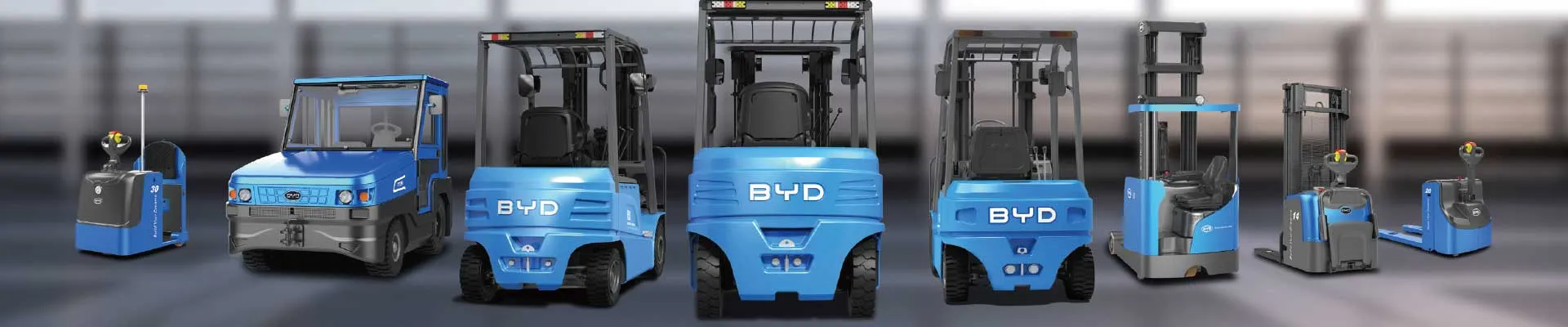
Cambia a autoelevadores eléctricos hoy en Argentina

2026-09-18

En Argentina, la creciente conciencia ambiental y los costos energéticos están impulsando a las empresas a reconsiderar sus flotas de autoelevadores. Los autoelevadores eléctricos, especialmente los equipados con baterías de litio de BYD, ofrecen una alternativa eficiente, silenciosa y libre de emisiones. Si estás pensando en dar el salto, este tutorial te guía paso a paso para que la transición sea exitosa.
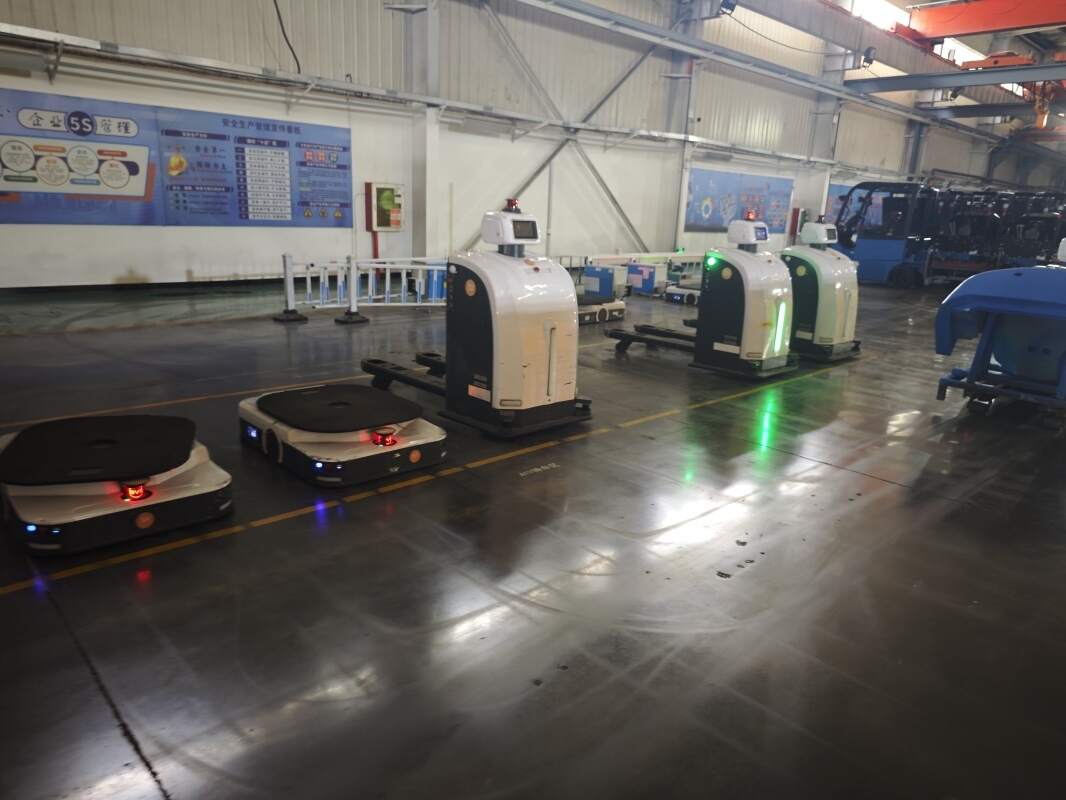
Cambia a autoelevadores eléctricos hoy en Argentina(Figura1)

Paso 1: Evalúa tus necesidades operativas actuales

Antes de cambiar, debes conocer a fondo tu operación. Revisa:

  • Capacidad de carga requerida (en toneladas).
  • Horas de trabajo diarias y turnos.
  • Tipo de entorno (interior, exterior, pasillos estrechos, cámaras frigoríficas).
  • Altura de elevación máxima.
  • Distancia recorrida y frecuencia de uso.

Realiza un inventario de tus autoelevadores actuales (diésel, gas o eléctricos de plomo-ácido) y registra sus horas de servicio. Esto te dará una línea base para comparar.

Consejo: Involucra a los operadores; ellos conocen los desafíos diarios.
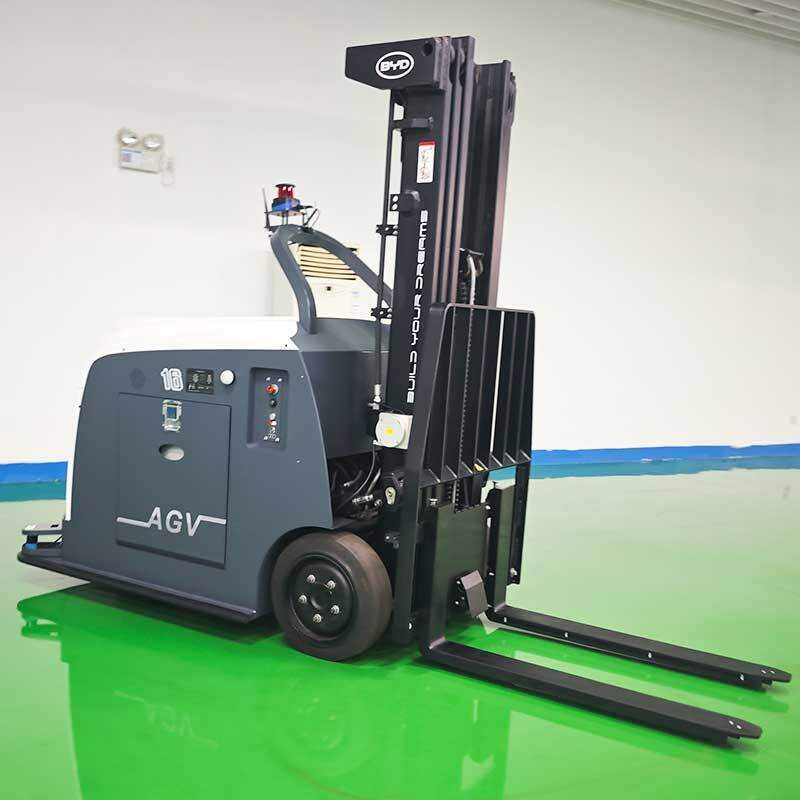
Cambia a autoelevadores eléctricos hoy en Argentina(Figura2)

Paso 2: Calcula el ahorro y el retorno de inversión (ROI)

Los autoelevadores eléctricos con litio tienen un costo inicial mayor, pero el ahorro operativo es significativo. Considera:

  • Energía: La electricidad es más barata que el diésel o GLP. Además, la carga inteligente permite aprovechar tarifas nocturnas.
  • Mantenimiento: Menos piezas móviles, sin cambios de aceite, filtros ni correas. Las baterías de litio no requieren agua ni igualación.
  • Vida útil: Las baterías BYD de litio hierro fosfato duran más de 10 años o 20,000 ciclos.
  • Productividad: La carga rápida y las oportunidades de carga durante descansos eliminan los tiempos de cambio de batería.

Haz una proyección a 5 años. En muchos casos, el ROI se alcanza en 18 a 24 meses.

Advertencia: No subestimes los costos de infraestructura de carga; inclúyelos en el cálculo.
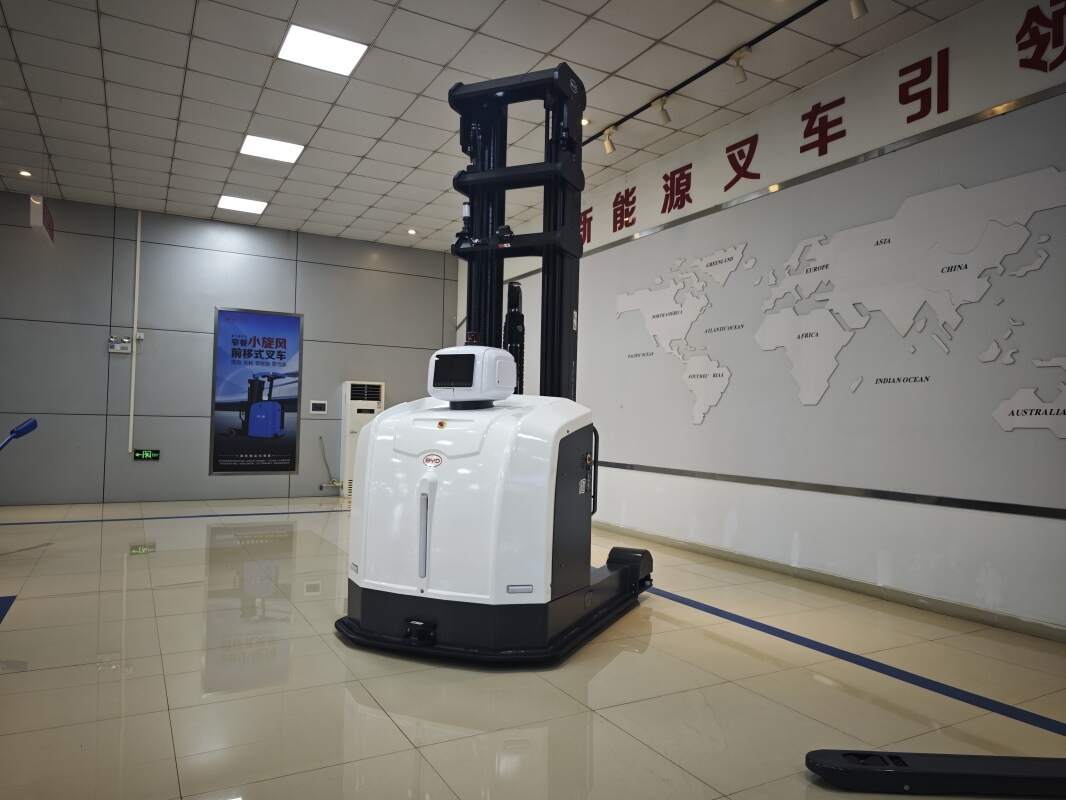
Cambia a autoelevadores eléctricos hoy en Argentina(Figura3)

Paso 3: Elige la tecnología de batería adecuada

Existen dos opciones principales: plomo-ácido y litio. Te comparamos:

CaracterísticaPlomo-ácidoLitio (BYD)
MantenimientoReposición de agua, limpiezaNulo
Tiempo de carga8-10 horas1-2 horas (carga rápida)
Oportunidad de cargaNo recomendadoSí, carga parcial sin daño
Vida útil (ciclos)1,500Más de 4,000
Emisiones en cargaGasesCero

La tecnología de litio de BYD es ideal para operaciones intensivas y de múltiples turnos. No requiere sala de carga ventilada ni cambios de batería.

Paso 4: Selecciona el modelo de autoelevador eléctrico

BYD ofrece una gama completa. Evalúa estos factores:

  • Capacidad de carga: desde 1.5 hasta 3.5 toneladas o más.
  • Tipo de mástil: dúplex, triplex, con desplazador lateral.
  • Neumáticos: sólidos para interiores, neumáticos para exteriores.
  • Altura de elevación y dimensiones del pasillo.

Un distribuidor autorizado puede ayudarte a elegir el modelo óptimo. Por ejemplo, el BYD ECB16 (1.6 t) es común en almacenes, mientras que el ECB35 (3.5 t) se usa en industria pesada.

Consejo: Solicita una demostración en tus instalaciones para validar el rendimiento.

Paso 5: Planifica la infraestructura de carga

La carga es clave. Para baterías de litio BYD:

  • Instala cargadores compatibles (BYD ofrece cargadores de 1 hora y 2 horas).
  • Verifica la capacidad eléctrica de tu planta; puede que necesites un aumento de potencia.
  • Ubica los cargadores estratégicamente para fomentar la carga oportunista.
  • No necesitas sala de baterías ventilada, pero sí un área segura y seca.

Advertencia: Consulta con un electricista calificado para evitar sobrecargas.

Paso 6: Capacita a tu personal y adapta la operación

El cambio a eléctrico requiere ajustes:

  • Capacita a operadores en el uso eficiente de la energía y la carga.
  • Entrena al equipo de mantenimiento en el diagnóstico de sistemas eléctricos.
  • Actualiza los procedimientos de seguridad (por ejemplo, manejo de baterías de litio).
  • Comunica los beneficios para motivar al equipo.

Consejo: Designa un campeón interno que lidere la transición.

Paso 7: Implementa, monitorea y optimiza

Comienza con un piloto: reemplaza 1 o 2 autoelevadores y mide resultados. Luego expande. Monitorea:

  • Consumo energético por hora.
  • Disponibilidad de la flota.
  • Costos de mantenimiento.
  • Satisfacción de los operadores.

Ajusta las rutinas de carga y los turnos según los datos. La telemática de BYD puede ayudarte con reportes en tiempo real.

Consejos para una transición exitosa

  • Empieza pequeño y escala.
  • Negocia contratos de energía con tarifas preferenciales.
  • Aprovecha incentivos gubernamentales para energías limpias.
  • Mantén un stock de repuestos críticos.
  • Capacita continuamente.

Advertencias importantes

  • No mezcles baterías de litio con cargadores de plomo-ácido; pueden dañarse.
  • Evita descargas profundas en baterías de litio; aunque tienen BMS, es mejor cargar parcialmente.
  • No ignores la normativa local sobre residuos de baterías.
  • No subestimes la importancia de la puesta a tierra en la infraestructura de carga.

Cambiar a autoelevadores eléctricos en Argentina no solo reduce emisiones, sino que mejora la eficiencia y reduce costos a largo plazo. Con la tecnología de litio de BYD, el proceso es más sencillo que nunca.

Para asesoramiento personalizado y cotizaciones, contacta a nuestro equipo: info@bydfork.com.

We use cookie to improve your online experience. By continuing to browse this website, you agree to our use of cookie.

Cookies

Please read our Terms and Conditions and this Policy before accessing or using our Services. If you cannot agree with this Policy or the Terms and Conditions, please do not access or use our Services. If you are located in a jurisdiction outside the European Economic Area, by using our Services, you accept the Terms and Conditions and accept our privacy practices described in this Policy.
We may modify this Policy at any time, without prior notice, and changes may apply to any Personal Information we already hold about you, as well as any new Personal Information collected after the Policy is modified. If we make changes, we will notify you by revising the date at the top of this Policy. We will provide you with advanced notice if we make any material changes to how we collect, use or disclose your Personal Information that impact your rights under this Policy. If you are located in a jurisdiction other than the European Economic Area, the United Kingdom or Switzerland (collectively “European Countries”), your continued access or use of our Services after receiving the notice of changes, constitutes your acknowledgement that you accept the updated Policy. In addition, we may provide you with real time disclosures or additional information about the Personal Information handling practices of specific parts of our Services. Such notices may supplement this Policy or provide you with additional choices about how we process your Personal Information.


Cookies

Cookies are small text files stored on your device when you access most Websites on the internet or open certain emails. Among other things, Cookies allow a Website to recognize your device and remember if you've been to the Website before. Examples of information collected by Cookies include your browser type and the address of the Website from which you arrived at our Website as well as IP address and clickstream behavior (that is the pages you view and the links you click).We use the term cookie to refer to Cookies and technologies that perform a similar function to Cookies (e.g., tags, pixels, web beacons, etc.). Cookies can be read by the originating Website on each subsequent visit and by any other Website that recognizes the cookie. The Website uses Cookies in order to make the Website easier to use, to support a better user experience, including the provision of information and functionality to you, as well as to provide us with information about how the Website is used so that we can make sure it is as up to date, relevant, and error free as we can. Cookies on the Website We use Cookies to personalize your experience when you visit the Site, uniquely identify your computer for security purposes, and enable us and our third-party service providers to serve ads on our behalf across the internet.

We classify Cookies in the following categories:
 ●  Strictly Necessary Cookies
 ●  Performance Cookies
 ●  Functional Cookies
 ●  Targeting Cookies


Cookie List
A cookie is a small piece of data (text file) that a website – when visited by a user – asks your browser to store on your device in order to remember information about you, such as your language preference or login information. Those cookies are set by us and called first-party cookies. We also use third-party cookies – which are cookies from a domain different than the domain of the website you are visiting – for our advertising and marketing efforts. More specifically, we use cookies and other tracking technologies for the following purposes:

Strictly Necessary Cookies
These cookies are necessary for the website to function and cannot be switched off in our systems. They are usually only set in response to actions made by you which amount to a request for services, such as setting your privacy preferences, logging in or filling in forms. You can set your browser to block or alert you about these cookies, but some parts of the site will not then work. These cookies do not store any personally identifiable information.

Functional Cookies
These cookies enable the website to provide enhanced functionality and personalisation. They may be set by us or by third party providers whose services we have added to our pages. If you do not allow these cookies then some or all of these services may not function properly.

Performance Cookies
These cookies allow us to count visits and traffic sources so we can measure and improve the performance of our site. They help us to know which pages are the most and least popular and see how visitors move around the site. All information these cookies collect is aggregated and therefore anonymous. If you do not allow these cookies we will not know when you have visited our site, and will not be able to monitor its performance.

Targeting Cookies
These cookies may be set through our site by our advertising partners. They may be used by those companies to build a profile of your interests and show you relevant adverts on other sites. They do not store directly personal information, but are based on uniquely identifying your browser and internet device. If you do not allow these cookies, you will experience less targeted advertising.

How To Turn Off Cookies
You can choose to restrict or block Cookies through your browser settings at any time. Please note that certain Cookies may be set as soon as you visit the Website, but you can remove them using your browser settings. However, please be aware that restricting or blocking Cookies set on the Website may impact the functionality or performance of the Website or prevent you from using certain services provided through the Website. It will also affect our ability to update the Website to cater for user preferences and improve performance. Cookies within Mobile Applications

We only use Strictly Necessary Cookies on our mobile applications. These Cookies are critical to the functionality of our applications, so if you block or delete these Cookies you may not be able to use the application. These Cookies are not shared with any other application on your mobile device. We never use the Cookies from the mobile application to store personal information about you.

If you have questions or concerns regarding any information in this Privacy Policy, please contact us by email at . You can also contact us via our customer service at our Site.