

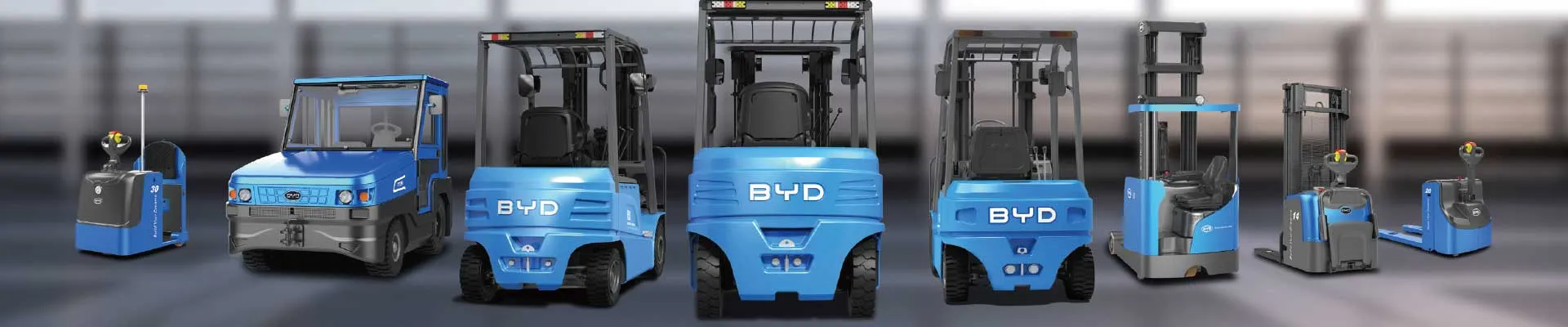
La carga rápida está revolucionando el mundo de las carretillas elevadoras eléctricas. A diferencia de los métodos tradicionales que requieren largas horas de conexión, la carga rápida permite recargar las baterías en fracciones de tiempo, maximizando la disponibilidad de los equipos. En este artículo, exploraremos paso a paso cómo implementar la carga rápida en su flota de carretillas eléctricas, con especial atención a la tecnología de baterías de litio de BYD, líder en soluciones de energía para vehículos industriales.
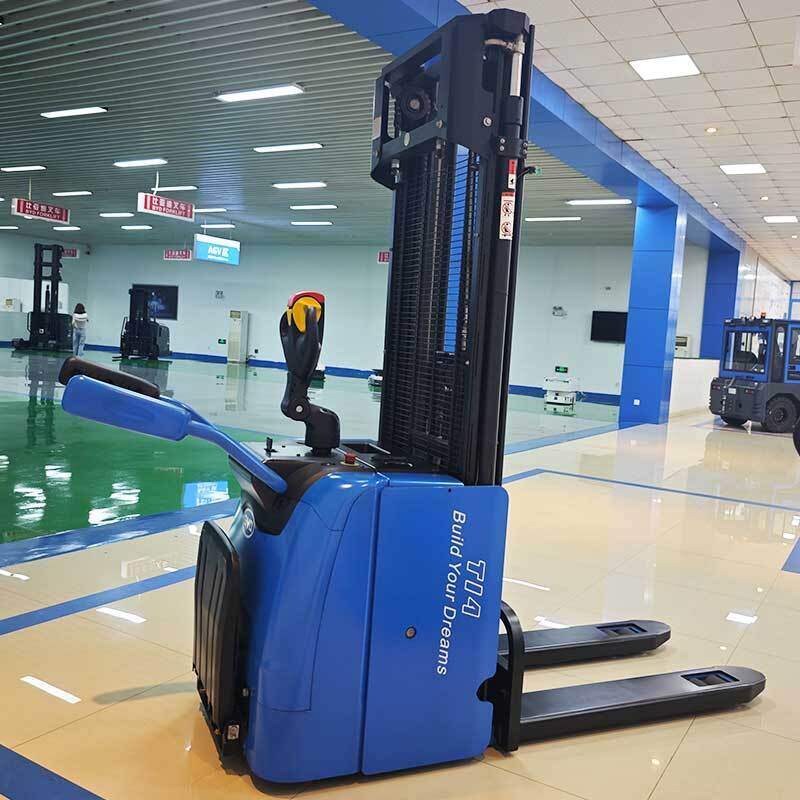
Paso 1: Comprender la tecnología de carga rápida y sus ventajas
Antes de implementar la carga rápida, es fundamental entender qué implica. La carga rápida, o carga de oportunidad, permite cargar las baterías de litio en periodos cortos, como pausas o cambios de turno, sin necesidad de agotar la batería por completo. Esto es posible gracias a la química del litio, que admite corrientes elevadas sin dañar las celdas. Las carretillas BYD con baterías de litio son especialmente adecuadas para esta modalidad, ya que su sistema de gestión de batería (BMS) regula la carga de forma inteligente.
- Ventajas: Reducción del tiempo de inactividad, eliminación del cambio de baterías, mayor vida útil de la batería, y ahorro energético.
- Consejo: Evalúe si su operación se beneficiaría de la carga rápida. Si sus carretillas trabajan en múltiples turnos, la carga de oportunidad es ideal.
- Advertencia: No todas las baterías soportan carga rápida. Las de plomo-ácido convencionales no están diseñadas para ello. Asegúrese de que su carretilla cuente con batería de litio, como las de BYD.
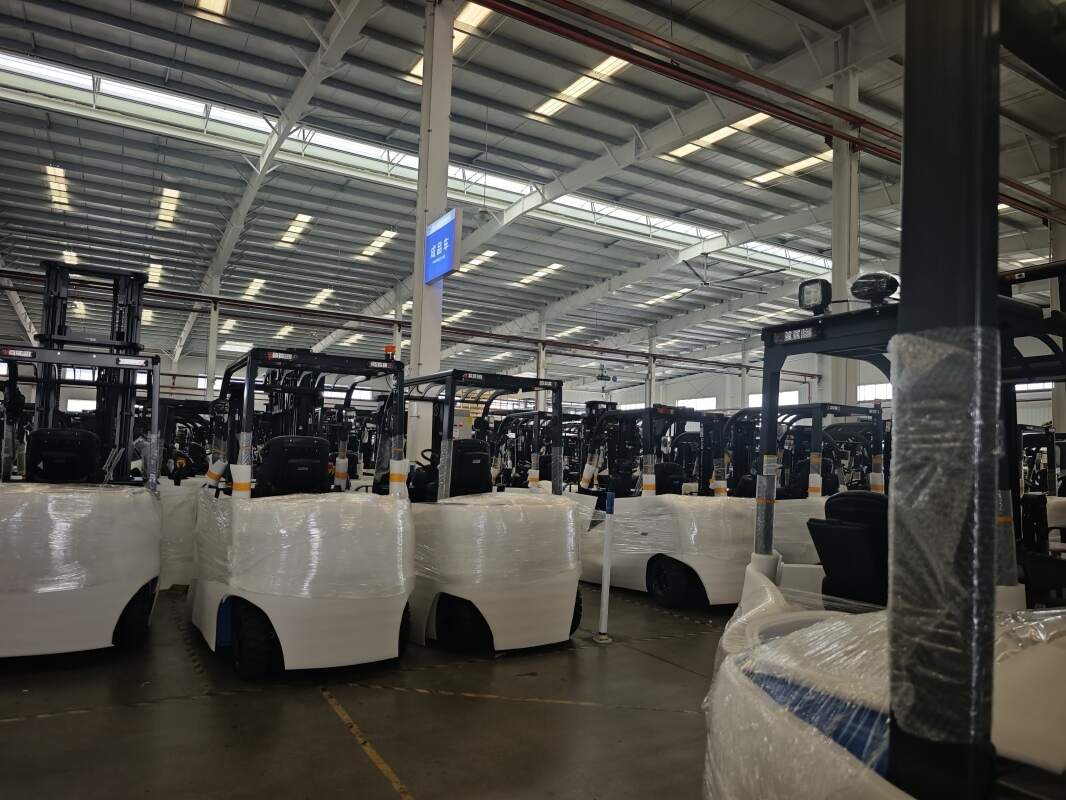
Paso 2: Evaluar la infraestructura eléctrica de su instalación
La carga rápida requiere una potencia eléctrica considerable. Antes de instalar un cargador rápido, debe verificar que su instalación eléctrica pueda soportar la demanda adicional. Consulte con un electricista certificado para evaluar la capacidad del tablero, el voltaje y el amperaje disponibles.
- Consejo: Realice un estudio de carga para determinar si necesita ampliar la capacidad eléctrica. Considere también la posibilidad de instalar un transformador dedicado.
- Advertencia: Sobrecargar el sistema eléctrico puede provocar cortocircuitos, incendios o daños a otros equipos. Nunca ignore las normas de seguridad eléctrica.
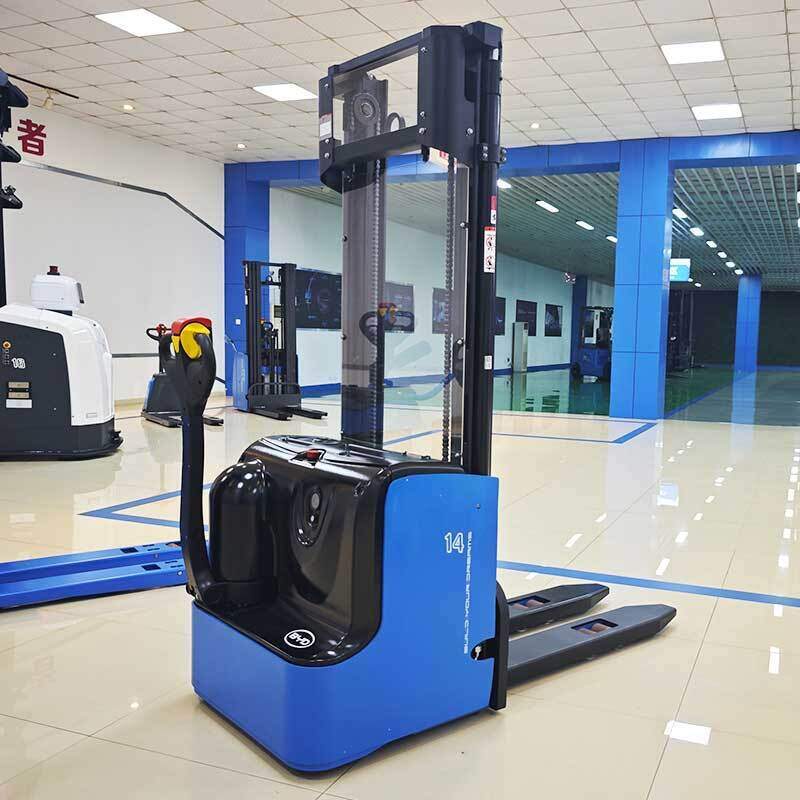
Paso 3: Seleccionar el cargador adecuado para carga rápida
No todos los cargadores son iguales. Para carga rápida, necesita un cargador que sea compatible con la batería de litio de su carretilla y que pueda comunicarse con el BMS. Los cargadores BYD están diseñados específicamente para sus baterías, garantizando una carga óptima y segura.
- Consejo: Busque cargadores con certificaciones de seguridad y alta eficiencia energética. La comunicación con el BMS es crucial para evitar sobrecalentamiento y prolongar la vida de la batería.
- Advertencia: Utilizar un cargador no compatible puede anular la garantía y dañar permanentemente la batería. Siempre siga las recomendaciones del fabricante.
Paso 4: Planificar la ubicación e instalación del cargador
La ubicación del cargador es clave para la eficiencia operativa. Debe estar cerca de las zonas de trabajo de las carretillas, pero en un área segura y ventilada. Evite lugares con polvo, humedad o materiales inflamables.
- Consejo: Instale el cargador en una pared firme, a una altura que facilite la conexión y desconexión. Proteja los cables de posibles colisiones con las carretillas.
- Advertencia: No instale el cargador en zonas de paso o donde pueda ser golpeado. Un impacto puede dañar el equipo y provocar accidentes.
Paso 5: Realizar la instalación eléctrica y conexión
La instalación debe ser realizada por un electricista calificado. Se deben seguir las normativas locales y las especificaciones del fabricante. Asegúrese de instalar protecciones como interruptores automáticos y puesta a tierra.
- Consejo: Utilice cables de calibre adecuado para la corriente de carga rápida. Un cable demasiado delgado puede sobrecalentarse.
- Advertencia: Riesgo de descarga eléctrica. No intente realizar la instalación usted mismo si no tiene la experiencia necesaria.
Paso 6: Configurar y probar el sistema de carga rápida
Una vez instalado, configure el cargador según las especificaciones de la batería. Realice una prueba de carga supervisada para verificar que todo funciona correctamente. Monitoree la temperatura, el voltaje y la corriente durante la carga.
- Consejo: Documente la configuración y los resultados de las pruebas. Esto facilitará el mantenimiento futuro.
- Advertencia: No exceda los límites de carga recomendados. La carga rápida controlada es segura, pero la sobrecarga puede reducir la vida útil de la batería.
Paso 7: Capacitar al personal en el uso seguro y eficiente
El personal que operará las carretillas y los cargadores debe recibir capacitación adecuada. Deben saber cómo conectar y desconectar correctamente, cómo interpretar las señales del cargador y qué hacer en caso de emergencia.
- Consejo: Cree un manual de procedimientos y coloque señalización clara en el área de carga.
- Advertencia: Personal no capacitado puede provocar accidentes o dañar los equipos. Restrinja el acceso a personas autorizadas.
Paso 8: Mantenimiento y monitoreo continuo
Para asegurar el rendimiento a largo plazo, establezca un programa de mantenimiento preventivo. Revise periódicamente los cables, conectores y el estado de la batería. Utilice el software de monitoreo de BYD para supervisar la salud de la batería y el rendimiento de la carga.
- Consejo: Lleve un registro de los ciclos de carga y del rendimiento. Esto le ayudará a detectar problemas antes de que se agraven.
- Advertencia: Ignorar las alertas del sistema puede provocar fallos prematuros y costosas reparaciones.
Comparativa de tiempos de carga
Para ilustrar el impacto de la carga rápida, veamos una comparativa entre la carga convencional y la carga rápida en carretillas eléctricas con batería de litio BYD.
| Tipo de carga | Tiempo de carga (batería 48V, 400Ah) | Disponibilidad |
|---|---|---|
| Convencional | 8-10 horas | Requiere cambio de batería o larga inactividad |
| Rápida | 1-2 horas | Carga de oportunidad en pausas |
Como se aprecia, la carga rápida reduce drásticamente el tiempo de inactividad, permitiendo que las carretillas estén operativas casi continuamente. Esta es una de las razones por las que las carretillas eléctricas BYD con baterías de litio están ganando tanta popularidad en el sector logístico e industrial.
Conclusión
La implementación de la carga rápida en carretillas elevadoras eléctricas es un cambio transformador. Siguiendo estos pasos, podrá optimizar su flota, reducir costos operativos y mejorar la productividad. Recuerde siempre priorizar la seguridad y seguir las recomendaciones del fabricante. Con la tecnología de BYD, la transición a la carga rápida es más sencilla y confiable que nunca. ¡No se quede atrás en la revolución de la energía limpia!


